
"tropical coffee growing"
5000 article(s) found

Coffee common sense what is a coffee belt (COFFEE WORLD MAP)
Coffee trees grow in tropical or subtropical agricultural gardens centered around the equator and called coffee belts. Most of the coffee production is between the Tropic of Cancer, 25 degrees north of the tropical or subtropical equator and 30 degrees south of the equator. An area with an annual average temperature of 16-25 degrees Celsius, no Frosts Descent and rainfall of 1600-2000 mm. At present, coffee is mainly produced by seven countries.

Environmental requirements for growing Coffee in Coffee Farm in India
Coffee planting conditions and distribution 1. What is coffee? Coffee (Coffee) is derived from the Latin word Coffea (biological word name) and belongs to a member of the Rubiaceae family. These plants are all woody plants, most of which are distributed in the tropics, with more than 500 classifications and about 6000 varieties. Most of the Coffea plants are tropical 5-6 meters high.
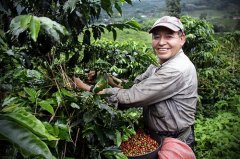
Where to buy coffee beans, coffee beans, seeds, coffee, raw beans, prices, sunbathing, Sidamo tropical fruits.
Coffee seeds cannot be grown directly with coffee fruits picked from coffee trees. Peeling coffee fruits is like planting peanuts. If you plant a peanut with a shell in the soil, it cannot sprout. You must plant peanuts. It is the same with medium coffee. If you have coffee fruit in your hand, you can first bask it in the sun and shake it until it is shaken inside.
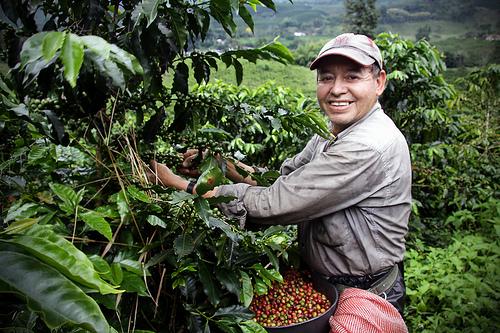
Where to buy coffee beans, coffee beans, seeds, coffee, raw beans, prices, sunbathing, Sidamo tropical fruits.
Coffee seeds cannot be grown directly with coffee fruits picked from coffee trees. Peeling coffee fruits is like planting peanuts. If you plant a peanut with a shell in the soil, it cannot sprout. You must plant peanuts. It is the same with medium coffee. If you have coffee fruit in your hand, you can first bask it in the sun and shake it until it is shaken inside.

Introduction to the flavor, characteristics, taste and manor of Rwandan coffee with tropical climate characteristics
Since the 1920s, Arabica coffee grown in Rwanda has been famous for its unique fruit sweetness and rich grass aroma. In recent years, the Rwandan government has taken positive measures to vigorously promote coffee production, set up coffee production cooperatives in various places, and give technical guidance and financial support to farmers, so that coffee production has made considerable progress. University of Rwanda

The Alishan coffee flavor of the Tropic of Cancer Taiwan boutique coffee fascinates the world.
Taiwan, which loves coffee, has become one of the few major coffee producers and consumers in the world.
Boutique Coffee Science detailed explanation of Coffee Belt (COFFEE WORLD MAP)
Coffee trees grow in tropical or subtropical agricultural gardens centered around the equator and called coffee belts. Most of the coffee production is between the Tropic of Cancer, 25 degrees north of the tropical or subtropical equator and 30 degrees south of the equator. An area with an annual average temperature of 16-25 degrees Celsius, no Frosts Descent and rainfall of 1600-2000 mm. At present, coffee is mainly produced by seven countries.

Geographical Distribution cultivation techniques of Coffee trees
Coffee grows mostly in countries with alpine terrain between the Tropic of Cancer and the Tropic of Cancer. It is native to tropical Africa and is introduced and cultivated in South and Southwest China. [2] the cultivation technology editor requires that the origin of the coffee tree [4] is in Ethiopia in Africa. In botany, the coffee tree belongs to the evergreen tree of the coffee subgenus of Rubiaceae, and the so-called coffee bean is actually the fruit of the coffee tree.

Geographical Distribution cultivation techniques of Coffee trees
Coffee grows mostly in countries with alpine terrain between the Tropic of Cancer and the Tropic of Cancer. It is native to tropical Africa and is introduced and cultivated in South and Southwest China. [2] the cultivation technology editor requires that the origin of the coffee tree [4] is in Ethiopia in Africa. In botany, the coffee tree belongs to the evergreen tree of the coffee subgenus of Rubiaceae, and the so-called coffee bean is actually the fruit of the coffee tree.

Planting conditions and distribution of coffee
What is coffee? Coffee (Coffee) is derived from the Latin word Coffea (biological word name) and belongs to a member of the Rubiaceae family. These plants are all woody plants, most of which are distributed in the tropics, with more than 500 classifications and about 6000 varieties. Most of the Coffea plants are tropical evergreen shrubs 5-6 meters high, and some can grow to more than 10 meters high.
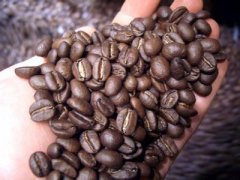
Basic knowledge of boutique coffee the taste of coffee
Coffee trees are very similar to laurel and usually grow between the Tropic of Cancer and the Tropic of Cancer. A coffee tree usually grows for about three to four years before it begins to bear fruit. The fruit is a red berry, which is dried and the pulp is removed to separate the coffee beans. There are shadows of coffee beans all over the world, and they can grow as usual as long as the climate is right. These are suitable for cultivating coffee.

Description of flavor of Yunnan small-grain coffee: introduction to the characteristics of varieties
How to brew Yunnan small-grain coffee flavor description of the characteristics of varieties the quality of coffee is determined by the environment, climate, cultivation and management techniques and other factors. Its best growing environment is low latitude, high altitude, sufficient rainfall and suitable sunshine, so the north latitude is 15. The ideal growing area for coffee is between the Tropic of Cancer and the Tropic of Cancer. But in other parts of this zone, Rumi

Tropical Rainforest Certification of Coffee Dummson treatment Plant in Honduras
Honduran Coffee Dansen Visa processing Plant Tropical Rain Forest Certified Honduras Coffee has always maintained high quality and its price is the most competitive in Central American countries. Small, round, light bluish green coffee, mild sour, full and slightly sweet, suitable for mixed coffee or single coffee, suitable for medium to deep roasting, mainly exported to the United States, Germany and Japan. Macro

Common sense of Coffee Tree planting Coffee how to grow Coffee and where is it suitable to grow Coffee in China
Professional coffee knowledge exchange more information about coffee beans Please follow the coffee workshop (Wechat official account cafe_style) what are the fruits and seeds of coffee? Coffee trees grow in the tropics between Tropic of Cancer and Tropic of Cancer and near the equator, also known as the world coffee growth belt, caffeine varieties and regional factors.
Why should coffee beans be graded on the basis of altitude? what is the effect on coffee flavor?
Why grade coffee beans on the basis of elevation? First of all, we should realize that the influence of geographical location on the flavor of coffee beans is profound. All coffee grows in the tropics. In fact, altitude has no direct effect on coffee. However, altitude can affect the growth, development and quality of coffee through the redistribution of meteorological elements (temperature, light, heat, wind speed, rainfall, etc.).

The effect of altitude on Coffee Flavor
The influence of geographical location on the flavor of coffee beans is profound. All coffee grows in the tropics, and the altitude at which it grows has a profound effect on the taste of coffee. The tropical belt extends from 30 degrees north latitude to the equatorial regions of the southern mountains that produce the world's truly high-quality Arabica coffee. Central and South America, South Asia and some Pacific islands, south-central Africa is also the most important in the world.

Tropical African Coffee Bean Elgon Mountain area, Uganda, which produces Robart Coffee beans
The cultivation of coffee in Uganda is all small-scale family operation. The livelihood of 25% of the population is closely related to coffee production. About 500000 farms grow coffee, but mainly Robster. Robster accounts for 90% of coffee production, and the remaining 1 is Arabica coffee. Arabica and Live Buster are harvested from October to February of the following year. Ugandan coffee